Junji Ito Collection vs. His Manga Does the Anime Capture the Horror?
When it comes to horror in the world of manga, few creators stand out as much as Junji Ito. Renowned for his masterful storytelling and intricate artwork, Ito has carved a niche in the genre with his unique ability to evoke fear and discomfort through ordinary situations. The adaptation of his renowned work into an animated series, the "Junji Ito Collection," has fostered discussions among fans about its effectiveness in capturing the essence of his horror. Through this blog, we explore the differences between the "Junji Ito Collection" anime and his original manga to determine if the adaptation truly encapsulates the visceral terror that fans have come to love.
Adapting the Unadaptable: The Essence of Junji Ito's Horror
Junji Ito’s manga are often regarded as some of the most unsettling works in the horror genre. His stories frequently delve into the macabre, exploring themes of existential dread, body horror, and the grotesque—elements that are not easily translatable to animation. As such, an anime adaptation like the "Junji Ito Collection" must grapple with the challenge of conveying not just the storyline, but also the unique visual style and psychological tension that defines Ito's work. The eerie imagery and unsettling atmosphere that was so prevalent in the manga can sometimes feel diluted in the animated format, which raises questions about whether the anime can fully capture the horror that readers have come to expect.
Visual Fidelity: Steering Clear of Compromise
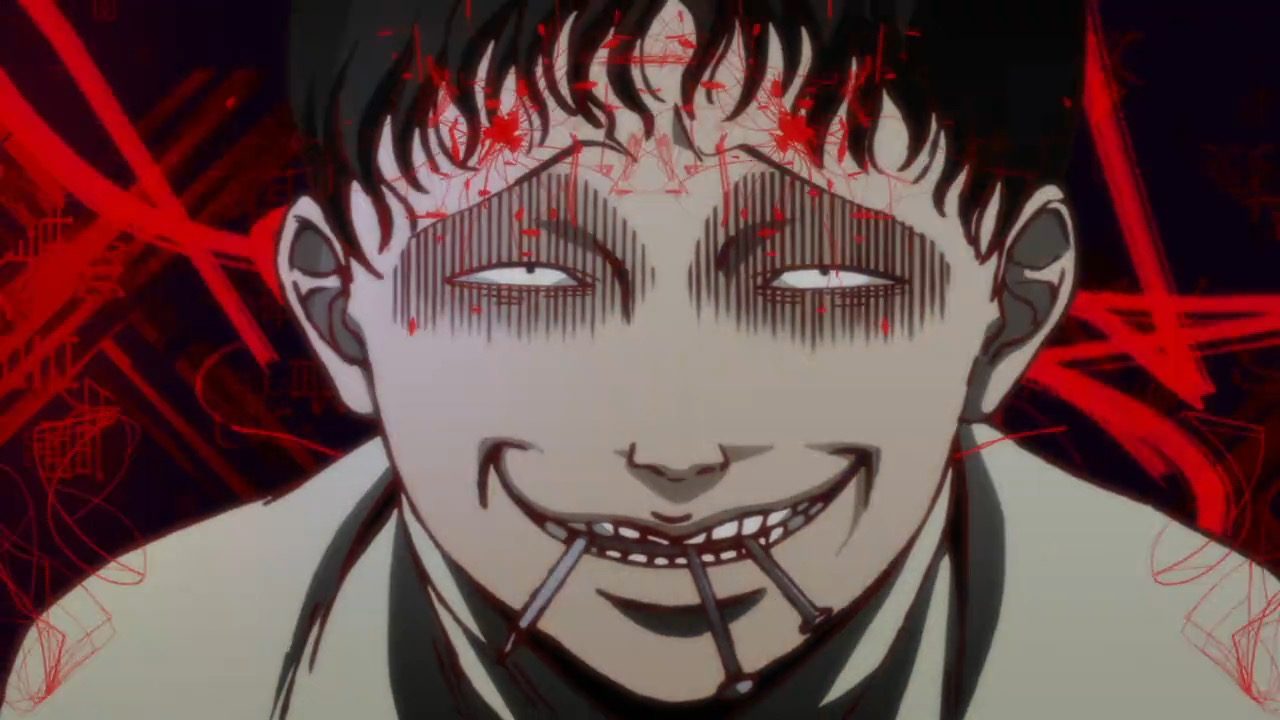
One of the standout features of Ito's manga is his detailed and often haunting illustrations. The intricate linework and carefully crafted panels play a crucial role in amplifying the horror, drawing readers into a world filled with dread. Despite the challenges of animation, the "Junji Ito Collection" strives to maintain the essence of Ito's visual storytelling. Some moments in the anime, particularly those that closely mirror the manga's iconic imagery, succeed in invoking the same chilling reactions from viewers as readers experienced. However, there are sections where the animation may not do justice to the depth of fear that Ito's art instills, leading to mixed responses from fans.
Narrative Structure and Pacing: The Double-Edged Sword
The structure of Ito's stories often relies on unexpected twists and slow-building tension. In the manga, this pacing allows readers to stew in the discomfort before the payoff arrives. The anime, however, must fit these narratives into shorter episodes, which can result in a rushed experience that jeopardizes the eerie buildup found in the original texts. Certain adaptations may condense more elaborate narratives, leading to a loss of nuance that fans feel diminishes the impact of the story. The effectiveness of horror often lies in anticipation, and by altering the flow that readers are accustomed to, there is a risk that the adaptation misses the mark.
Reception and Fan Perspectives: Debating the Adaptation
The release of the "Junji Ito Collection" brought anticipation among fans, eager to see how the beloved manga would transition to the screen. While some viewers appreciate the animation as a new medium to experience Ito's horror, others express disappointment, believing it falls short of the source material. Online discussions often center around the "Junji Ito Collection shop," where fans can purchase their favorite manga volumes and merchandise, showcasing their loyalty to the original work. This divergence in perspectives underscores a fundamental truth about adaptations: they are based on interpretations, and not every adaptation will resonate with every fan. Some may find value in the anime as an entry point to Junji Ito's oeuvre, while purists may prefer to immerse themselves directly in the raw visuals of his manga.
In conclusion, while the "Junji Ito Collection" anime holds potential in bringing Ito’s spine-chilling stories to a new audience, questions remain about its effectiveness in capturing the horror of the original manga. The visual style, pacing, and narrative structure all contribute to a uniquely different experience, raising the age-old debate around adaptations and fidelity to source material. Ultimately, both the manga and its anime adaptation offer distinct explorations of horror, appealing to varying preferences among fans exploring the unsettling world of Junji Ito.


