Exploring the Philosophical Depths of Ghost in the Shell
Ghost in the Shell, created by Masamune Shirow, has evolved into a cultural cornerstone over the years, captivating audiences with its rich narrative and profound philosophical insights. This animated series, which began as a manga in the late 1980s, explores a future where cybernetic enhancements blur the lines between humanity and machine. As societies grapple with the implications of artificial intelligence, Ghost in the Shell delves into critical questions about consciousness, identity, and what it truly means to be "human." Its themes resonate strongly in today's digital age, making it a timeless piece that invites deeper exploration.
The Concept of the "Ghost"
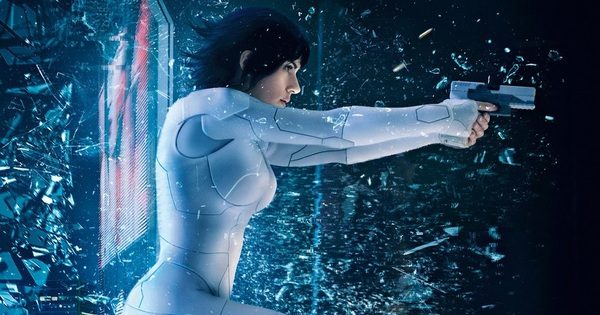
At the heart of Ghost in the Shell lies the concept of the "ghost," which refers to the essence of an individual — their consciousness and soul. This notion raises significant questions regarding the nature of identity, especially in a world saturated with technology. As characters such as Major Motoko Kusanagi navigate their existence within cybernetic bodies, viewers are compelled to ask themselves: if a person’s mind can exist independently of their physical form, what does that say about the definition of self? This philosophical inquiry is particularly relevant today as advanced technologies challenge our understanding of personal identity and the human experience.
The Blurring of Boundaries
Ghost in the Shell also examines the blurred boundaries between human and machine. The series poses the thought-provoking idea that humanity is not solely defined by biology but can extend into digital realms. This idea is exemplified in the show's portrayal of cyberization, where human bodies are integrated with artificial enhancements. It creates a rich canvas to ponder the implications of merging humans with technology. As we witness significant advancements in AI and robotics, the notion that the "ghost" could inhabit a synthetic body invites the question: are synthetic beings entitled to the same moral considerations as their organic counterparts? Such inquiries encourage us to reflect on the ethics of technology's role in our lives.
The Role of the "Ghost In The Shell Shop"
One fascinating aspect that has captured the imagination of fans is the "Ghost In The Shell Shop," an online and physical space that offers a multitude of collectibles and merchandise related to the series. This shop not only serves as a retail outlet but is also a cultural hub for fans to engage with the art, philosophy, and themes of Ghost in the Shell. By acquiring merchandise, fans can express their connection to the series and partake in the ongoing dialogue it inspires. This connection to a shared narrative adds another dimension to the experience, transforming simple consumer goods into tangible representations of complex philosophical ideas.
The Impact of Ghost in the Shell on Popular Culture
The influence of Ghost in the Shell extends beyond its original medium. Its philosophical themes and visual style have permeated various facets of popular culture. The series has inspired Hollywood films, video games, and even fashion trends, while its aesthetics are often referenced in modern cyberpunk media. As we immerse ourselves in these modern interpretations, we are reminded of the significant dialogues surrounding technology, identity, and existence that Ghost in the Shell catalyzed. As we continue to navigate our increasingly digital future, the philosophical inquiries posed by this iconic franchise offer a thought-provoking lens through which to examine our evolving relationship with technology and ourselves.


